What would you do if you had one more evening with someone you loved?
Would you cook their favourite meal? Pull out old photographs? Tell the stories that always made everyone laugh?
For millions of people in Mexico and around the world, Día de los Muertos (Day of the Dead) is an opportunity to do just that.
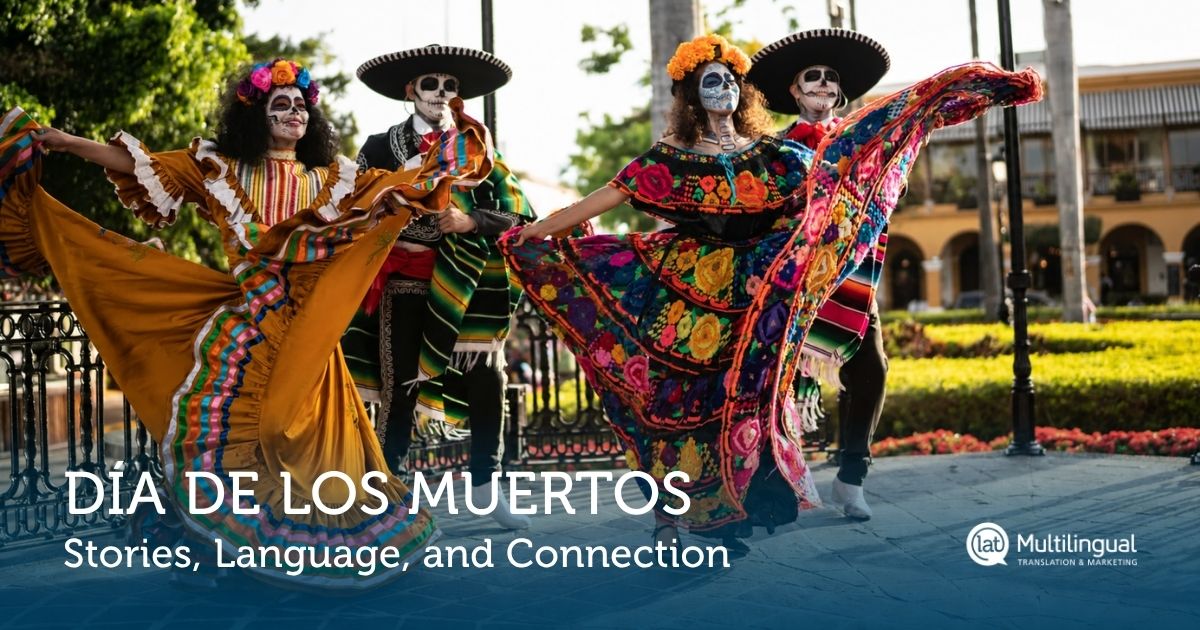
Observed on November 1 and 2, Día de los Muertos is often misunderstood as a celebration of death. It is a beautiful celebration of life, memory, and the bonds that continue long after a loved one has passed away.
It is a tradition filled with colour, music, flowers, food, and storytelling. Families gather to honour parents, grandparents, siblings, friends, and ancestors whose influence continues to shape their lives today.
At its heart, Día de los Muertos reminds us of something deeply human: the people we love never truly leave us if we remember their stories.
The Stories We Carry
Growing up, one of my favourite family traditions was sitting around the kitchen table after a holiday meal while older relatives shared stories about family members who were no longer with us.
The stories were sometimes funny and sometimes heartfelt. Often, I had heard them before, but each telling revealed a new detail and brought back a forgotten memory. A lesson was passed on, and a family member who had been gone for years felt present again.
What I remember most is how those stories connected generations. Younger family members learned about grandparents and great-grandparents they had never met. Family history became something living rather than something locked away in old photo albums.
Looking back, I realize how those moments helped keep our family close.
In many ways, that spirit is at the heart of Día de los Muertos.
A Celebration of Remembrance, Not Mourning
One of the most recognizable elements of Día de los Muertos is the ofrenda, or altar.
These altars are carefully decorated with photographs, candles, marigolds, favourite foods, treasured objects, and other items that help honour the memory of loved ones. Each detail tells a story, whether it’s a favourite sweet, a family recipe, a cherished photograph or a beloved song.
Together, these items create a bridge between generations, inviting families to reflect on the lives that helped shape their own.
Rather than focusing on loss, Día de los Muertos celebrates connection. It reminds us to laugh, share memories, and express gratitude for those who came before us.
Every Family Has Stories Worth Preserving
Whether your family celebrates Día de los Muertos, Diwali, Lunar New Year, Indigenous cultural ceremonies, or countless other traditions, one thing remains universal: stories are what connect us.
Stories teach us where we came from and pass values from one generation to the next. They also help us understand who we are. They connect grandparents to grandchildren, communities to their history, and cultures to future generations.
And stories live through language. The words we choose, the languages we speak at home, and the traditions we pass along all play a role in preserving our identity.
When Language Disappears, Stories Can Be Lost
Imagine trying to tell a family story but not having the right words. A grandparent, for example, may want to share a memory in the language they know best, while younger family members understand only fragments of it.
Across the world, communities work hard to preserve languages because language carries much more than vocabulary. It carries humour, traditions, values, history, and identity.
Every language contains stories that cannot easily be translated.
Language is often the thread that ties generations together.
When organizations invest in multilingual communication and language access, they help ensure that people can participate fully in society without having to leave their language or culture behind.
Language inclusion is ultimately about belonging.
What Organizations Can Learn from Día de los Muertos
Día de los Muertos also offers an important lesson for organizations seeking to connect with diverse communities.
People want to feel recognized for who they are. They want their cultures, traditions, and identities to be respected, not as a marketing exercise, but as an authentic part of community life.
Meaningful engagement starts with listening. Organizations need to learn about the communities they serve, understand cultural traditions, and ensure their communications are accessible and inclusive. This also requires recognizing that diversity is not simply a demographic statistic. Behind those statistics are people, families and their stories.
When organizations communicate in culturally and linguistically appropriate ways, they build trust. And trust is the foundation of meaningful relationships.
Keeping Connections Alive
The beauty of Día de los Muertos lies in its powerful reminder that connection does not end when someone is gone. Through memory, culture, language, and storytelling, people continue to shape our lives long after they are no longer with us.
In a world that often moves too quickly, this tradition invites us to pause, remember, and appreciate the people and stories that have helped make us who we are.
At LAT Multilingual, we believe every story deserves to be understood, and every voice deserves to be heard. By breaking down language barriers and supporting culturally responsive communication, we help organizations connect with the diverse communities they serve.
This Día de los Muertos, let’s take a moment to celebrate the stories, languages, and traditions that bring us together and keep our connections alive across generations.